



UX Researcher

Wearable Device Usability Testing in Live Fire Conditions

Investigated optimal body placement for GPS wearables to support firefighter safety in extreme operational environments.

MY ROLE
Designed and executed field-based usability studies to evaluate device performance under real-world firefighting conditions.
Collaborated with Indiana University RedLab
User ratingUser rating
1 other UX Researcher | 1 Research Lead
iPhone mockup
Project Overview
Introduction
Firefighters operate in extreme, high-risk environments where situational awareness and safety are critical. This research was conducted to evaluate the usability and placement of prototype wearable GPS tracking devices designed to improve firefighter safety during live fire incidents.

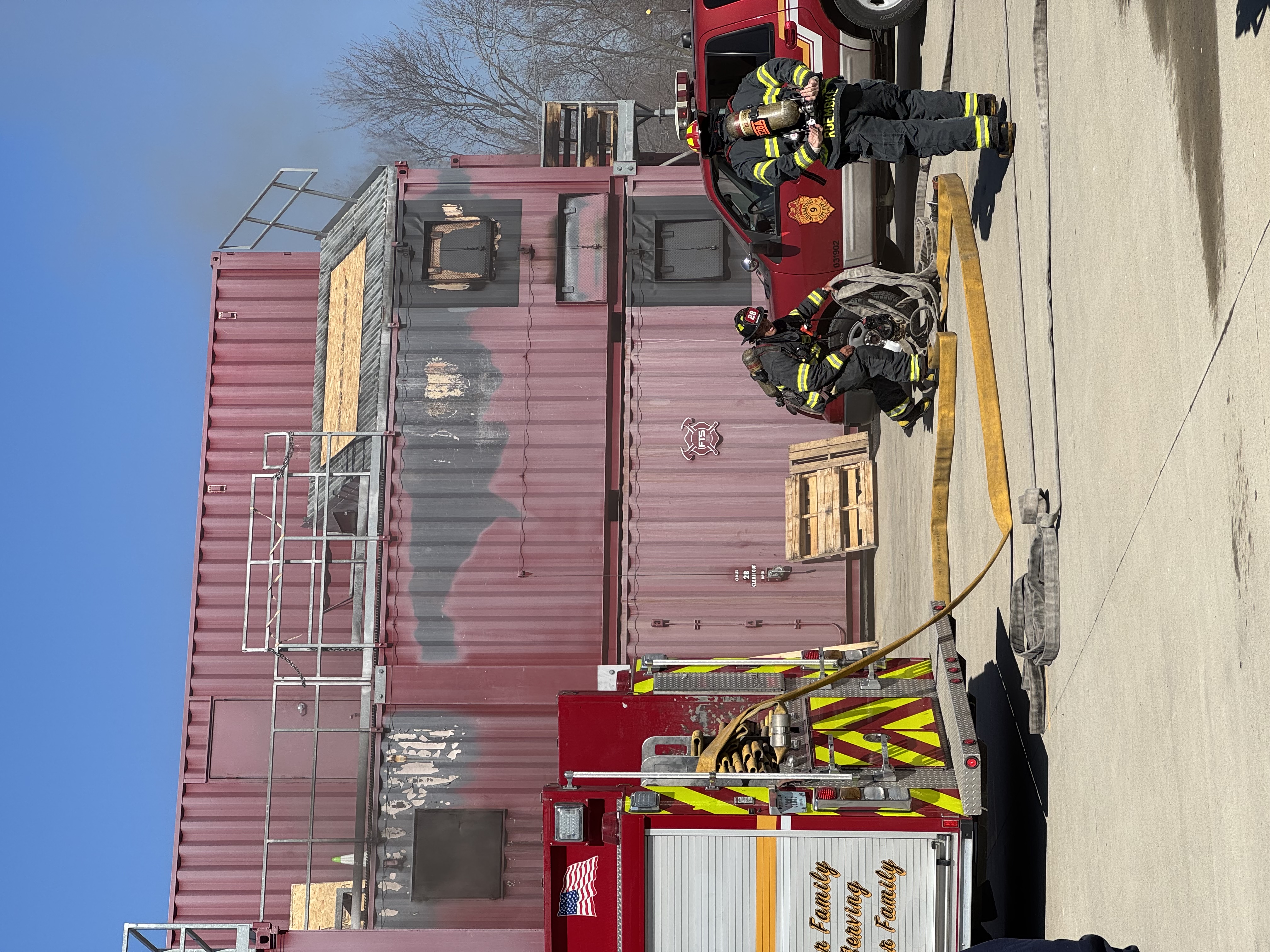
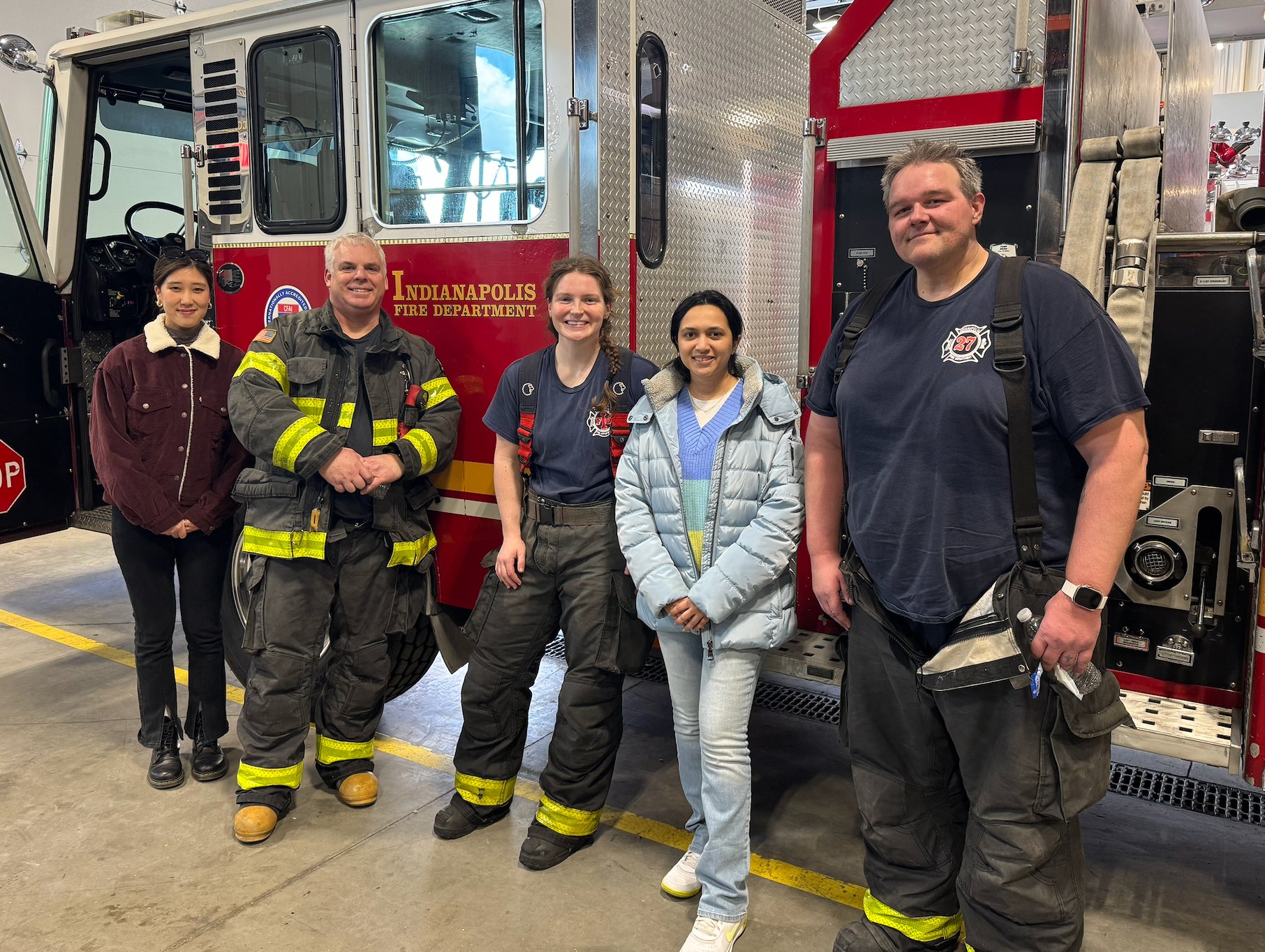
Working as a UX Researcher at Indiana University RedLab, I conducted field research in collaboration with firefighters to understand how device placement affected comfort, mobility, and operational performance during live fire simulations.
Timeline: 4 weeks
Participants: 12 professional firefighters (ages 20-30s)
Location: Indianapolis Fire Department training facility
The Problem
Understanding the Research Purpose
The team had developed wearable GPS tracking prototypes but lacked clarity on optimal placement on the firefighter's body. While the devices functioned technically, their usability in real-world firefighting conditions was unknown.

Movement Interference

Improper placement could interfere with critical tasks

Device Stability

Could become dislodged or damaged in high heat

Distraction Risk

Could distract firefighters in life-threatening situations

User Adoption

Risk of low adoption if uncomfortable or inconvenient
Research goals
Checklist for Research Study
Evaluate usability of wearable devices during live fire simulations
Identify placement-related discomfort or mobility constraints
Understand firefighter workflows and environmental constraints
Recommend optimal placement location for future development
Credit card mockups
devices tested
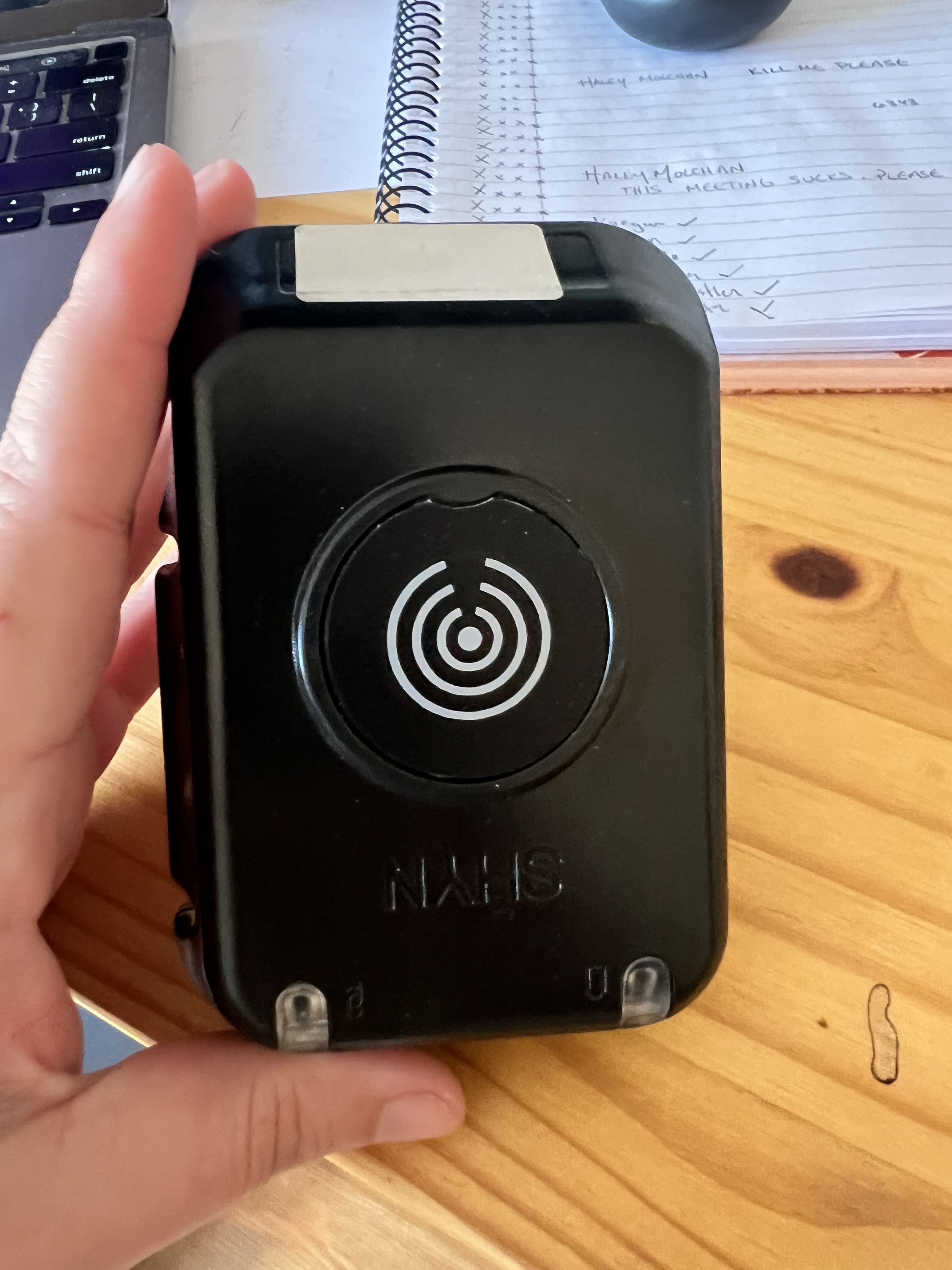
3 GPS Tracking Device Prototypes
Mockup

Charlie

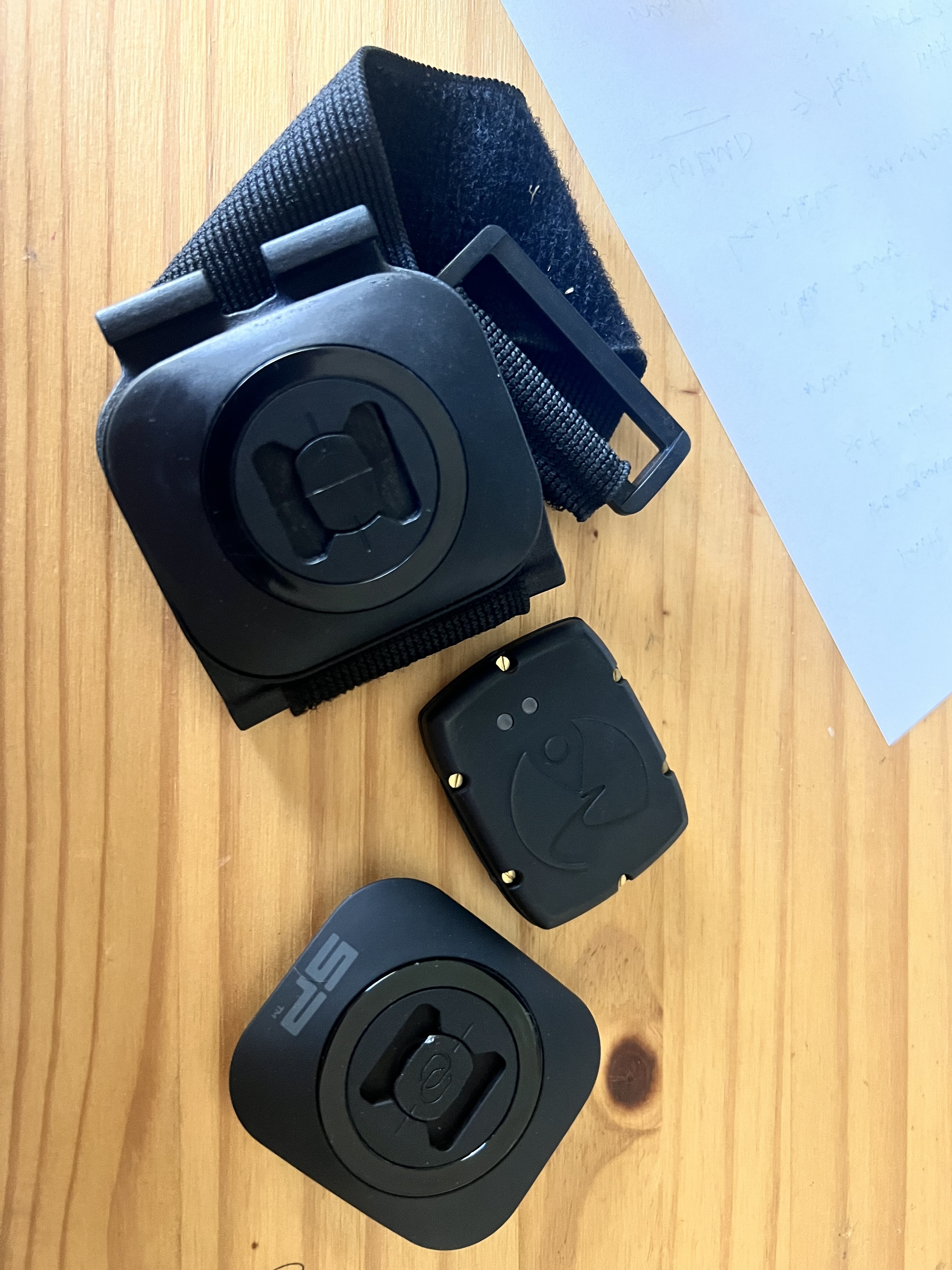
Foot placement — positioned in the gap between boot and lower leg, designed to leverage existing footwear structure.
Mockup

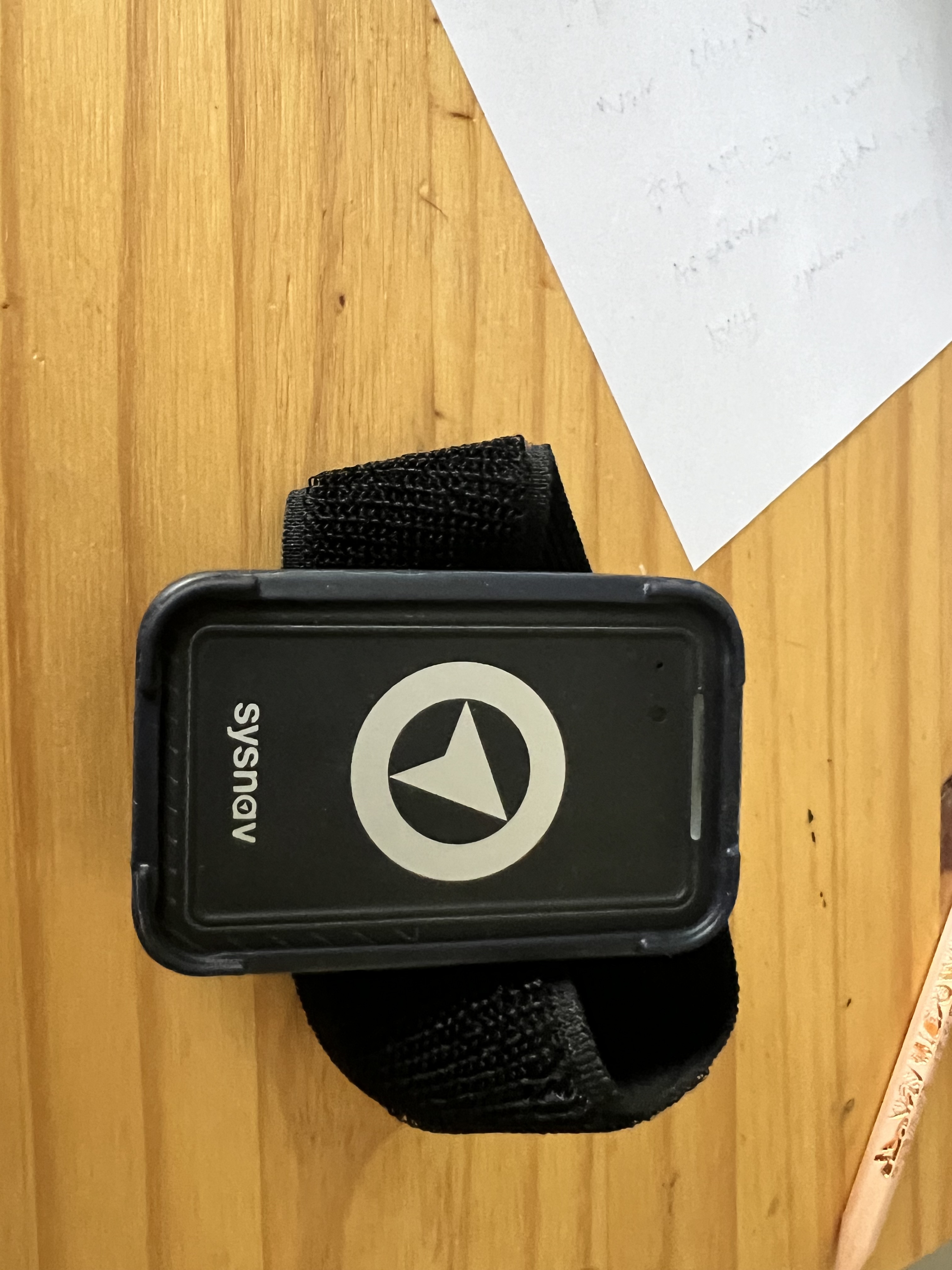
Sysnav

Belt placement — integrated with the firefighter's standard belt line, closely aligned with existing gear configuration.
Mockup

Epic Blue

Calf placement — secured around the calf muscle using an adjustable strap, tested across various body types.
Plan and action
Research Methodology
1
Preparation
- Designed research plan and study protocol
- Created consent forms and interview guides
- Defined device placement procedures
- Coordinated with firefighters and research lead
2
Field Testing
- 4 days with 12 professional firefighters
- Attached prototypes to foot, belt, and calf
- Observed simulated emergency scenarios
- Documented behaviors and constraints
3
Analysis
- Conducted post-session interviews
- Synthesized notes across sessions
- Created affinity maps
- Presented findings to leadership
Key findings
What we Observed and Reported

Devices did not interfere with operational performance

Firefighters reported that most devices were barely noticeable during movement. Even during crawling, climbing, and carrying equipment, the devices did not obstruct critical tasks. This validated that wearable GPS tracking was feasible without compromising operational efficiency.

Belt placement provided the best balance

The belt-mounted device remained secure and did not interfere with movement. It was also located in an area that was naturally part of the firefighter's gear setup.
Key Insight: This placement minimized exposure to extreme heat compared to lower extremities.

Foot placement was stable but less accessible

The foot-mounted device fit securely inside the boot gap and remained stable during movement. However, placement and accessibility were more dependent on boot structure and gear compatibility. This introduced potential variability across different gear types.

Calf placement had fit and inclusivity limitations

While stable for some participants, the calf device did not fit comfortably on all firefighters, particularly those with larger calf muscles. This limited scalability and inclusivity across diverse body types.

Emergency workflows require passive devices

Firefighters do not have time to manually equip additional devices during emergencies. They often wear partial gear and quickly complete their setup during calls. Any wearable solution must integrate seamlessly into their existing gear without requiring additional setup.

Reflection
Design Recommendations and Learnings
This experience highlighted the importance of conducting research in real-world, high-risk environments. Observing firefighters operate in zero-visibility, high-heat conditions demonstrated how critical seamless, non-intrusive design is in safety-critical contexts. It reinforced that designing for usability goes beyond comfort—it directly impacts safety, performance, and trust in the product.
Integrate device into belt system for seamless adoption
Ensure secure attachment without restricting movement
Design for passive use without requiring user interaction
Account for extreme heat exposure and environmental durability
Dashboard mockup